


Herbs, Vegetables and Proteins for the Keto Diet
When you restrict carbohydrates and eat a high-fat diet, your liver makes backup fuel in the form of ketones. These replace glucose as your body’s primary fuel and send you into a state of nutritional ketosis. Eating the right herbs, vegetables and proteins can make all the difference in a successful transition to a ketogenic diet.
Herbs like oregano, basil, oregano, thyme, rosemary, parsley and dill are great options for the ketogenic diet because they are rich in vitamins and minerals. Try adding a mix of herbs to your favorite grilled vegetable dish, or sprinkle them over salads for an extra punch of flavor.
Nuts and seeds like pistachios, sunflower seeds, pumpkin seeds, cashews and almonds are full of healthy monounsaturated fats, polyunsaturated fats and protein, and they’re low in carbs. Look for those with a high percentage of “good” fats, such as walnuts, and use them to add texture to salads.
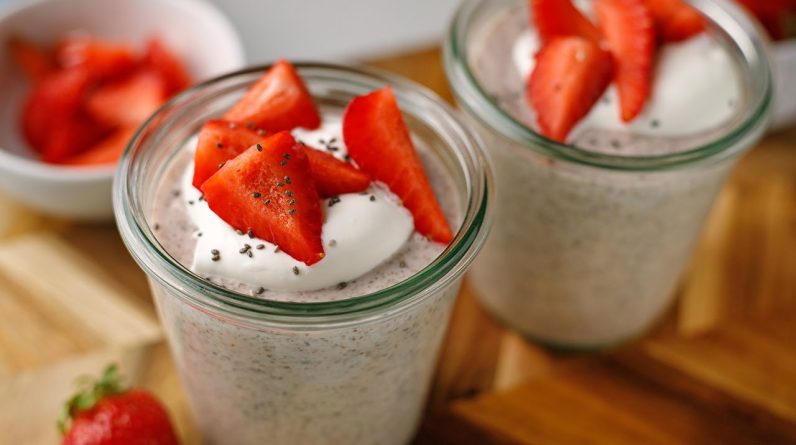
Avoid cruciferous and starchy vegetables, which are rich in carbohydrates. Choose leafy and cruciferous vegetables, such as kale, Swiss chard, spinach, collard greens and arugula; and root veggies like mushrooms, cauliflower, asparagus, bell peppers and Brussels sprouts. Choose berries, which are also low in carbs and are packed with antioxidants.
Limit or avoid high-carb foods, including breads, pastas, cereals, chips and cookies. Try using nut butters in place of these items to keep your carb intake in check. Be sure to get enough protein, too. Opt for meats that aren’t processed and limit dairy. Milk provides calcium, vitamin D and potassium, but it’s high in sugar (lactose). Try unsweetened coconut or almond milk instead.